
Lifestyle & Productivity, Blog
Genelia Deshmukh’s Sai Bai Look: A Powerful Statement at Raja Shivaji Trailer Launch
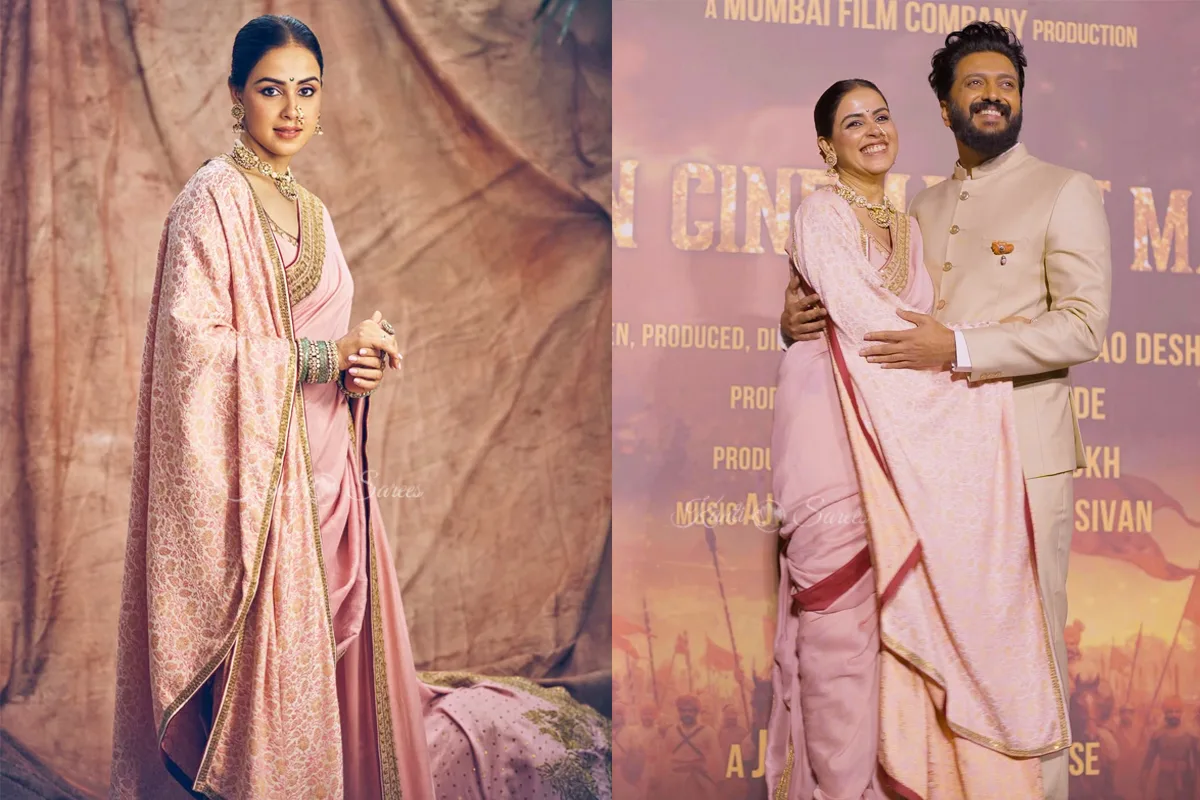
When fashion meets history, the result is something unforgettable. At the Raja Shivaji movie trailer launch, Genelia Deshmukh delivered a look that was not just elegant, but deeply meaningful. Dressed as Genelia Deshmukh Sai Bai, she brought grace, strength, and cultural pride to life through her stunning Nauvari saree ensemble.
This look is not just about style. It is about identity, heritage, and storytelling.
First Impression: Soft Yet Powerful ( Genelia Deshmukh Sai Bai )
At first glance, the soft pink tone of the saree feels calm and feminine. But as you take a closer look, the details reveal strength and depth.
This balance between softness and power perfectly reflects the character of Sai Bai. The look is not loud, yet it commands attention in a quiet, confident way.
The Nauvari Saree: A Symbol of Strength
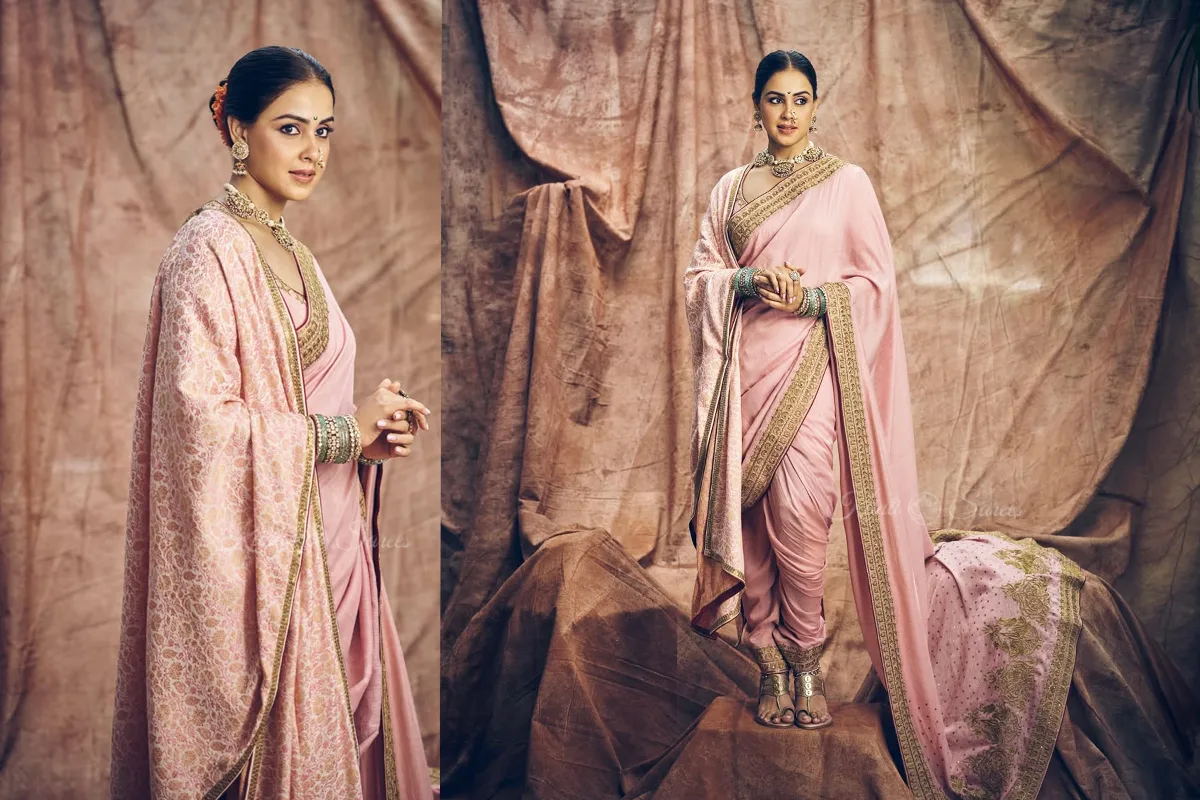
The Nauvari saree has long been associated with strength and tradition. Historically worn by women in Maharashtra, it allows freedom of movement and reflects a warrior spirit.
Genelia’s soft pink Nauvari saree brings a modern elegance to this traditional drape.
Saree Details:
- Soft pink base color
- Traditional Nauvari drape
- Elegant gold border
- Subtle woven patterns
The draping style enhances posture and presence, giving the look a powerful yet graceful silhouette.
Fabric Story: Himroo Weave & Ahimsa Silk
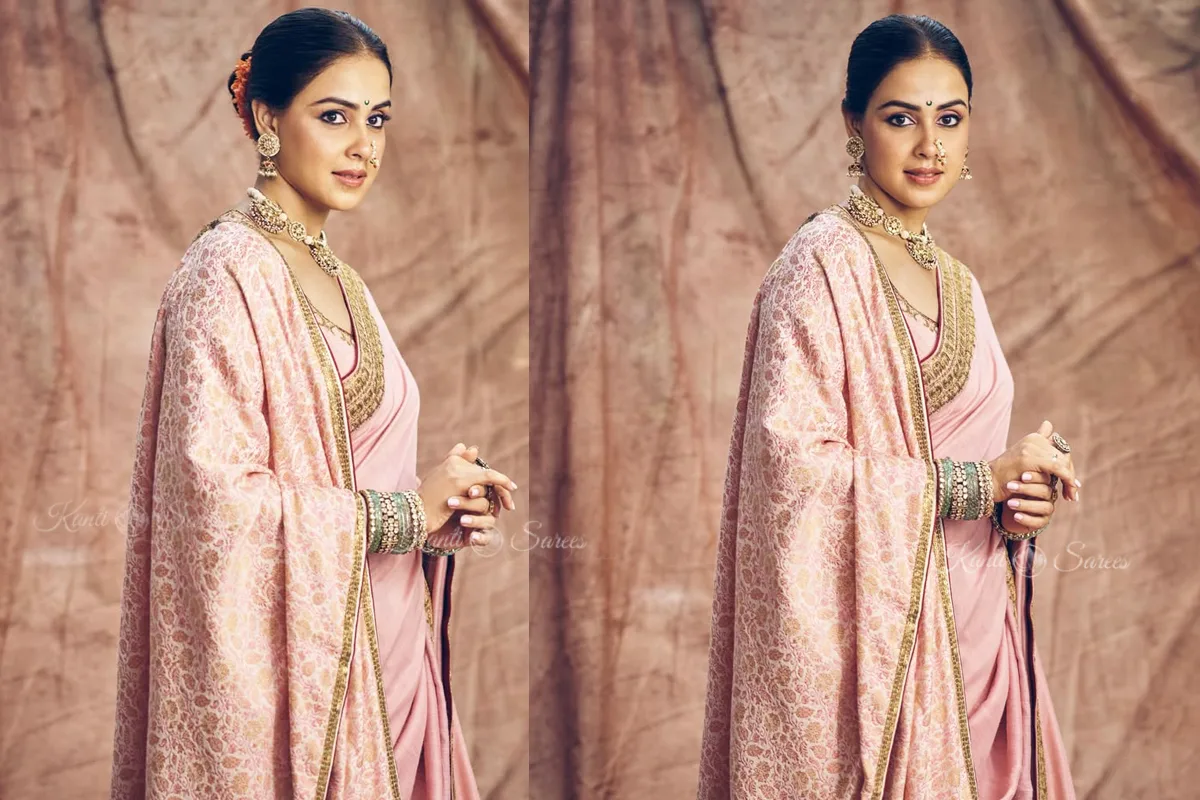
What makes this saree truly special is the fabric choice.
The Himroo weave adds richness and texture, showcasing traditional craftsmanship that has been preserved for generations.
Ahimsa silk, also known as peace silk, is created without harming silkworms. This makes the saree not only luxurious but also mindful and ethical.
Together, these elements transform the outfit into something deeper than fashion. It becomes a statement of values.
Cultural Connection: Sai Bai & Raja Shivaji
At the Raja Shivaji movie trailer launch, this look holds even more meaning. Genelia Deshmukh is portraying Sai Bai, a figure known for grace, loyalty, and quiet strength.
Her outfit reflects these qualities perfectly. The soft tones represent elegance, while the traditional drape symbolizes resilience.
This is fashion that tells a story.
Jewelry: Traditional Maharashtrian Elegance
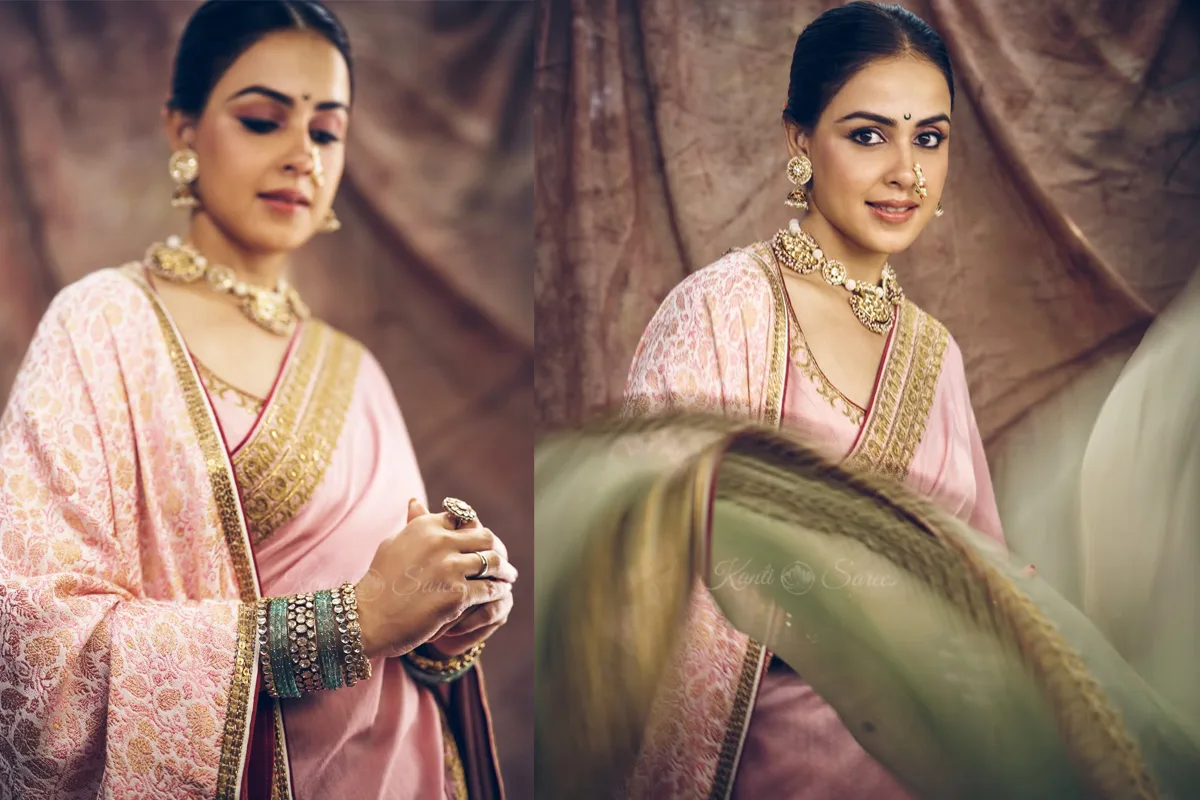
The accessories complete the look beautifully and stay true to tradition.
Styling Details:
- Nath (traditional nose ring)
- Jodvi (toe rings)
- Statement neckpiece set
- Polki kada set
- Rings and payal
Each piece adds authenticity and enhances the cultural depth of the outfit.
The jewelry is bold, yet balanced with the softness of the saree.
Footwear: Kolhapuri Charm
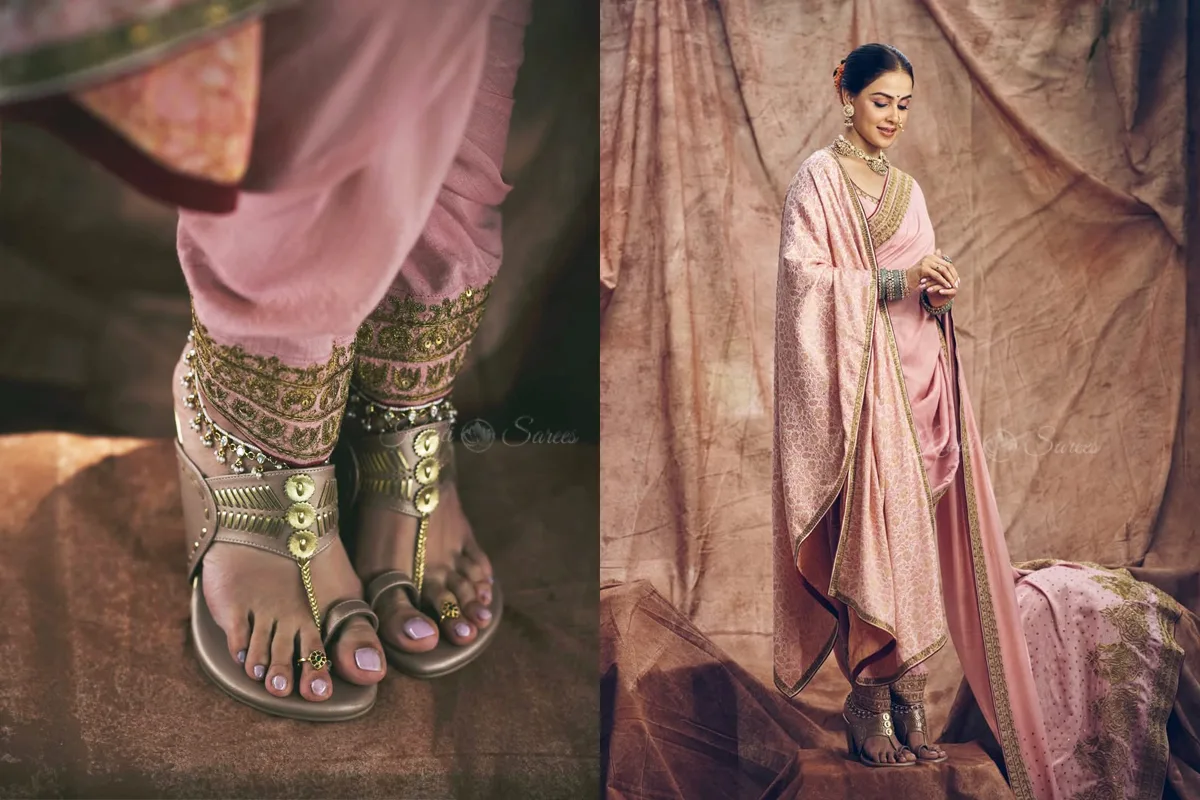
The Kolhapuri footwear adds a grounded and traditional finish to the look.
It not only complements the outfit but also strengthens its cultural connection.
Every detail feels intentional.
Hair & Makeup: Clean and Graceful
The styling is kept minimal to let the outfit shine.
- Center-parted hair
- Neat bun
- Soft, natural makeup
This approach enhances the elegance of the look without overpowering it.
Why This Look Works
There are several reasons why this outfit stands out:
1. Strong Cultural Identity
The Nauvari saree and traditional jewelry reflect heritage.
2. Meaningful Fabric Choice
Himroo weave and Ahimsa silk add depth and purpose.
3. Balanced Color Palette
Soft pink creates elegance while gold adds richness.
4. Story-Driven Styling
The Sai Bai inspiration gives emotional value.
5. Attention to Detail
From jewelry to footwear, everything is thoughtfully styled.
Style Takeaways You Can Use
If you want to recreate this look:
- Choose traditional sarees with cultural significance
- Opt for soft tones for elegant occasions
- Add authentic jewelry pieces
- Focus on clean draping
- Keep makeup simple and refined
These elements help create a timeless and impactful look.
Final Thoughts
Genelia Deshmukh’s appearance at the Raja Shivaji trailer launch is more than just a fashion moment. It is a tribute to heritage, storytelling, and strength.
Her Sai Bai look proves that traditional fashion can still feel powerful, modern, and deeply inspiring.
In a world of fast trends, this look reminds us that true style comes from meaning, culture, and simplicity.
CREDITS:: Genelia Deshmukh
